

Electropolishing is an electrochemical process that removes surface material from a metal workpiece, resulting in a smooth, polished, and deburred finish. Unlike mechanical polishing that abrades the surface, electropolishing selectively removes microscopic peaks from the surface profile through anodic dissolution in a controlled electrolyte bath.
Core Principle: The workpiece acts as the anode in an electrochemical cell. When direct current is applied, metal ions dissolve from the surface into the electrolyte, with peaks dissolving faster than valleys (due to higher current density), resulting in surface leveling and polishing.
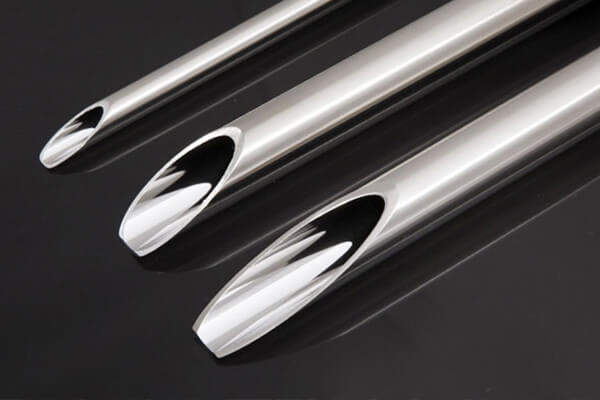
How Electropolishing Works: The Electrochemical Mechanism
Key Components:
· Anode: The metal part to be polished
· Cathode: Typically stainless steel or lead plates
· Electrolyte: Acidic solution (commonly sulfuric-phosphoric acid mixtures for stainless steel)
· DC Power Supply: Provides controlled current/voltage
Process Steps:
1. Preparation: Parts are cleaned to remove oils, grease, and contaminants
2. Immersion: Parts are immersed in temperature-controlled electrolyte bath
3. Polarization: DC current is applied (typically 10-300 A/ft², 6-20 V)
4. Dissolution: Metal ions dissolve from the surface into the electrolyte
5. Passivation: Formation of a thin, protective oxide layer (especially for stainless steels)
6. Rinsing & Neutralization: Removal of electrolyte residues
Material Removal Characteristics:
· Macro-throwing power: Poor (minimal effect on large-scale geometry)
· Micro-throwing power: Excellent (peaks dissolve faster than valleys)
· Typical removal: 0.0002″ to 0.003″ (5-75 µm) per surface
Corrosion Resistance Enhancement:
· Removes embedded iron, surface inclusions
· Creates uniform, passive oxide layer (for stainless steels)
· Critical for: Salt spray resistance, chemical exposure
Microstructural Benefits:
· Removes Beilby layer (deformed surface layer from machining)
· Eliminates micro-cracks that can initiate fatigue failure
· Documented results: 10-30% improvement in fatigue life for some alloys
Cleaning & Decontamination:
· Removes scale, heat tint, welding oxides
· Reduces product adhesion in processing equipment
Quality Standards & Specifications
Common Standards:
· ASTM B912: Passivation of stainless steels
· ASTM A967: Chemical passivation treatments (includes electropolishing)
· AMS 2700: Aerospace material specification
· ISO 15730: Metallic materials — Electropolishing as a means of smoothing and passivating
Conclusion
Electropolishing provides engineers with a controlled, reproducible surface enhancement process that offers functional benefits beyond aesthetics. When properly specified and controlled, it delivers:
1. Improved corrosion resistance through surface purification and passivation
2. Enhanced cleanability with reduced microbial adhesion
3. Superior performance in demanding environments
4. Consistent results across complex geometries
Selection Criteria: Choose electropolishing when your application requires improved corrosion resistance, cleanability, or micro-deburring of complex geometries. For purely decorative finishes on simple shapes, mechanical polishing may be more cost-effective.
The process is most valuable when its technical benefits are essential to component function, particularly in regulated industries where surface quality directly impacts safety and performance.
Post time: Jan-13-2026