

SEMI F20: Specification for 316L Stainless Steel for UHP Applications
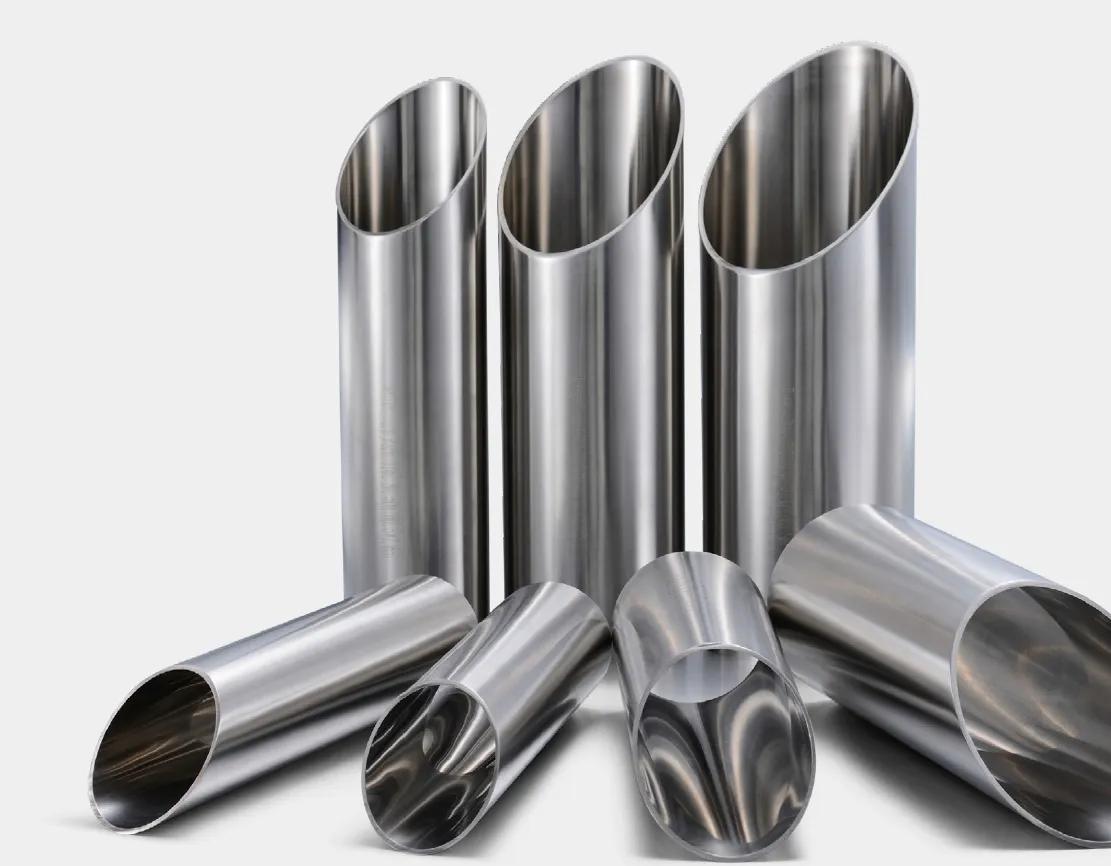
SEMI F20 specifically defines the metallurgical cleanliness and material composition of 316L stainless steel for components in general-purpose, high-purity (HP), and ultra-high-purity (UHP) chemical distribution systems. It covers bar, forgings, plate, and tubing.
- Material & Manufacturing UHP-grade 316L is often refined using VIM/VAR (Vacuum Induction Melting / Vacuum Arc Remelting) to reduce non-metallic inclusions. Tubing dimensions typically reference ASTM A269 and ASTM A632.
- Chemical Composition Stringent limits on sulfur, manganese, and other trace elements (e.g., copper max 0.30%, aluminum max 0.01%).
- Surface Finish Requires electropolishing (EP). Inner surface roughness is generally Ra ≤ 0.25 μm, with high-performance EP tubing achieving Ra < 0.13 μm.
- Cleanliness & Packaging Components must be cleaned to the highest purity standards and packaged in Class 10 (ISO Class 4) cleanrooms.
- Corrosion Resistance Passes the Practice E of ASTM A262 (corrosion screening test).
What Fabs Require (Beyond SEMI F20)
While SEMI F20 is foundational, fabs typically demand a broader set of qualifications:
- ► Additional SEMI Standards: SEMI F19 for surface finish of EP tubing, SEMI F57 for component purity and low extractables, and SEMI E49 for piping performance.
- ► Broader Industry & Quality Standards: ASTM A269/A270, ASME BPE for bioprocessing equipment (sometimes used alongside), ISO 9001 (effectively mandatory), and often ISO 14001 and ISO 45001.
- ► Specific UHP Requirements: Electropolished (EP) finish (non-negotiable), zero contamination (process to prevent particle/metal ion contamination), and full traceability from raw material to final product.
In short, SEMI F20 defines the material and surface quality of the steel, while fabs require a comprehensive quality management system, adherence to additional purity standards, and full material traceability to ensure zero contamination.
Post time: Sep-02-2026